
Does the State Know Who Owns Its Land?
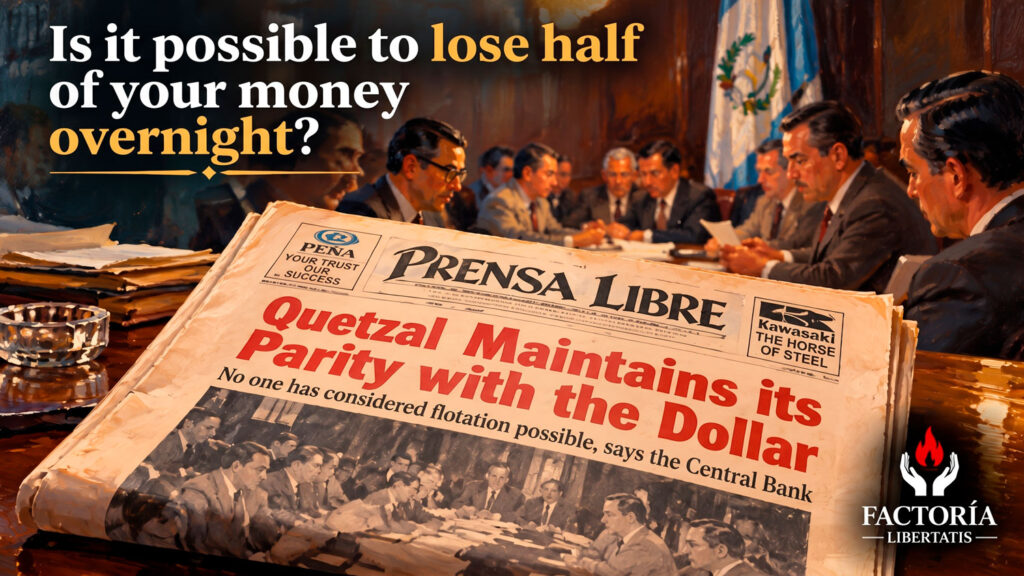
In Costa Rica, Argentina and Chile, monetary and fiscal decisions dramatically reduced the value of people’s savings. Guatemala also experienced a severe currency devaluation before adopting constitutional restrictions on government financing through its central bank. This essay examines why monetary stability should never be taken for granted and what is at stake when the Bank […]
Why Did Uruguay Land US$1 Billion Without Creating a Special Zone?

Eduardo Bastitta walks across a 515-hectare plot, roughly 737 manzanas (the traditional Guatemalan land measure), on the shore of the Río de la Plata, outside Colonia del Sacramento. Across the water, an hour away by boat, lies Buenos Aires. Bastitta is an Argentine businessman who founded Plaza Logística, a network of warehouse parks across the […]
168,000 Days Asking Permission to Open a Port
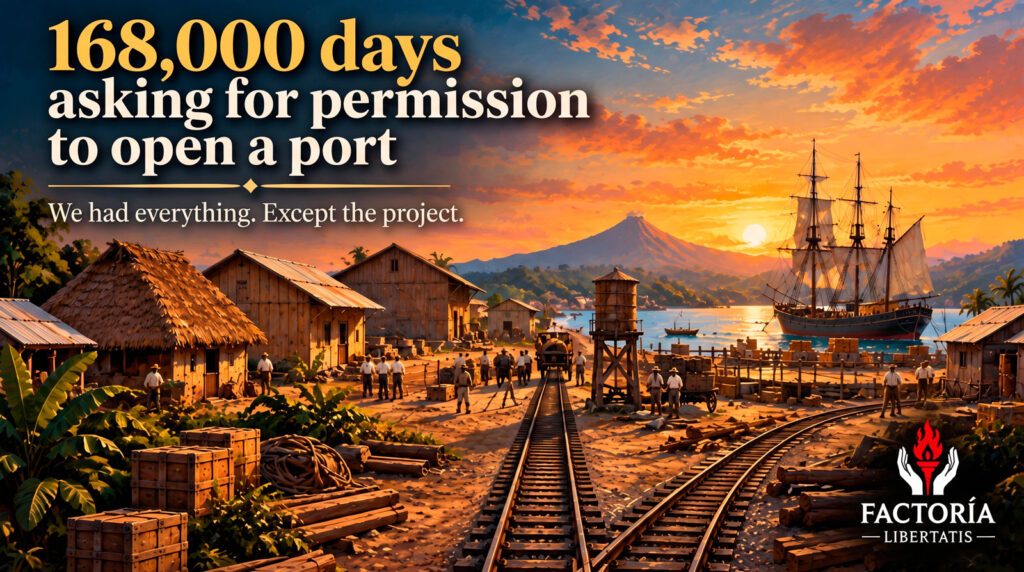
In 1594 the town council of Panama wrote to that of Guatemala. Panama was short of the most essential goods: wheat, flour, barley, tallow, dried meat, other meats, sugar, preserves, fruits, and vegetables. All of that was in surplus on this side, and it would have sold well over there. There was something to sell. […]
Why Doesn’t the T-Shirt Exporter Pay, While the Coffee Exporter Does?
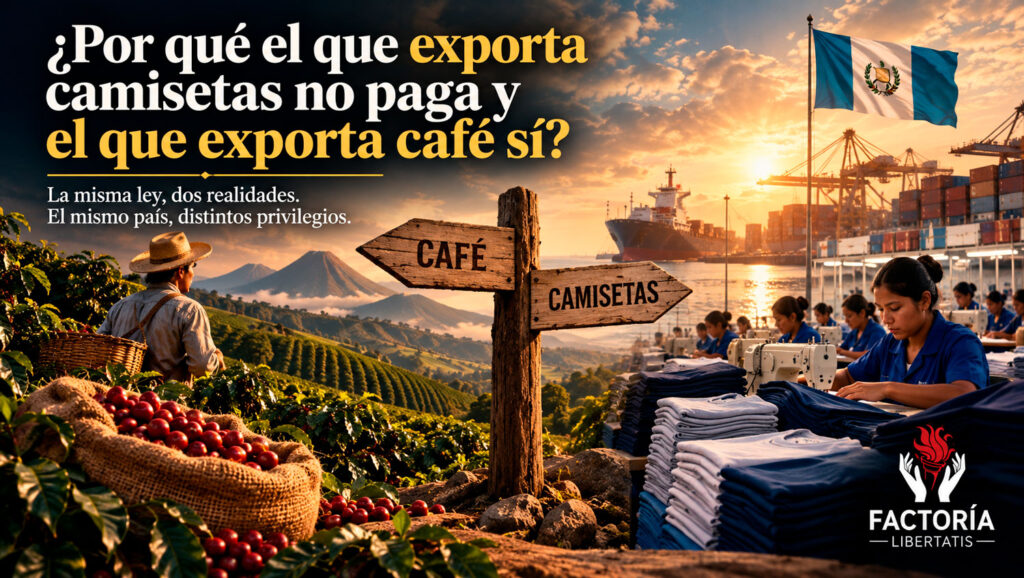
Anyone in Guatemala who wanted to buy something as simple as imported chocolate, before 1986, had three doors available. The Comisariato Militar, if you had a military ID and knew someone inside: a “passport to paradise” of imported consumer goods. Selectas or Exclusivas, if you had the money of the capital’s upper class. For everyone […]
What If Approving a Deficit Were a Crime?

In 1993, Guatemala effectively closed the door to financing government spending through monetary issuance, helping usher in decades of greater price stability. This essay asks whether the country should take the next step: prohibit deficit budgets by law and impose consequences on officials who authorize spending without identifying the resources to finance it.
How Much Equality Can Freedom Bear?
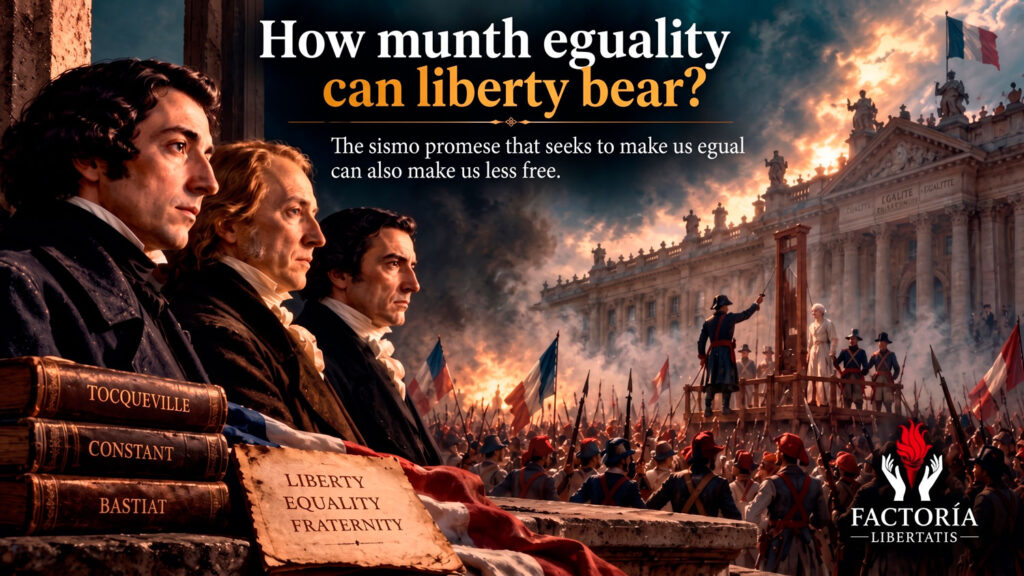
Equality before the law gives everyone the same rules; equality of outcome requires continuous intervention to equalize what people ultimately receive. From Tocqueville and Bastiat to Guatemala’s taxes, exemptions and public spending, this essay asks how far equality can advance before it begins to replace freedom.
Why Do We Forget That Guatemala Shakes?
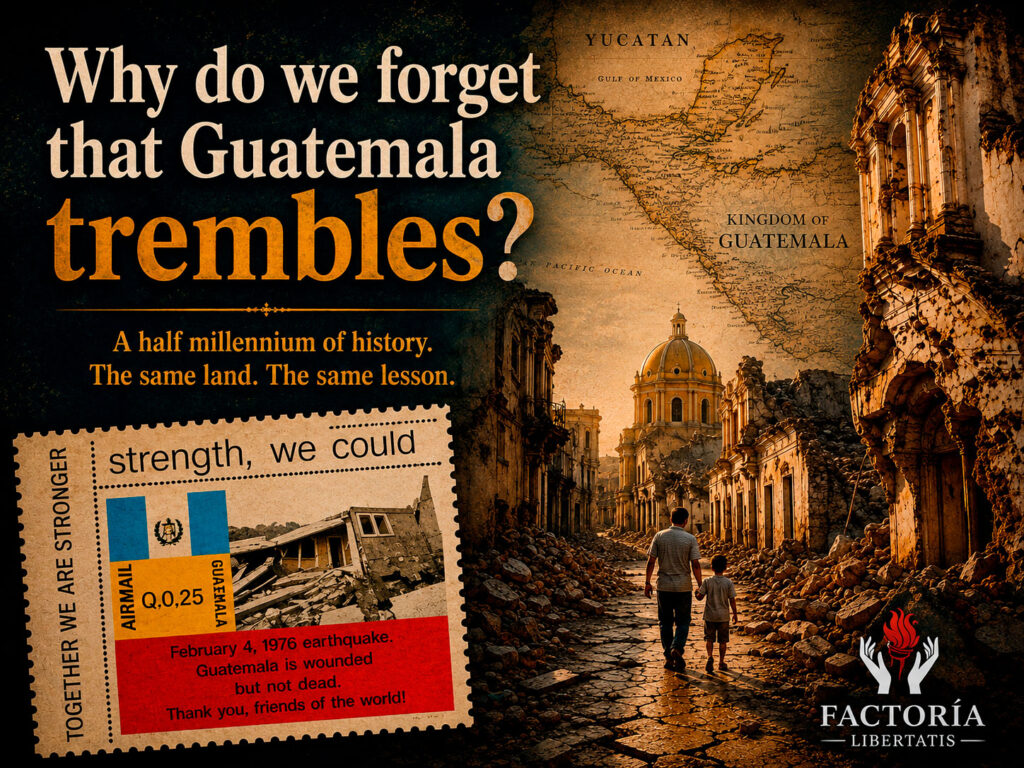
Guatemala has documented devastating earthquakes for nearly five centuries, yet the memory of disaster fades remarkably quickly. Fifty years after the 1976 earthquake, this essay revisits the country’s seismic history and asks an uncomfortable question: if we know the ground will shake again, why are we still unprepared?
Why Does No One Connect Through Guatemala?
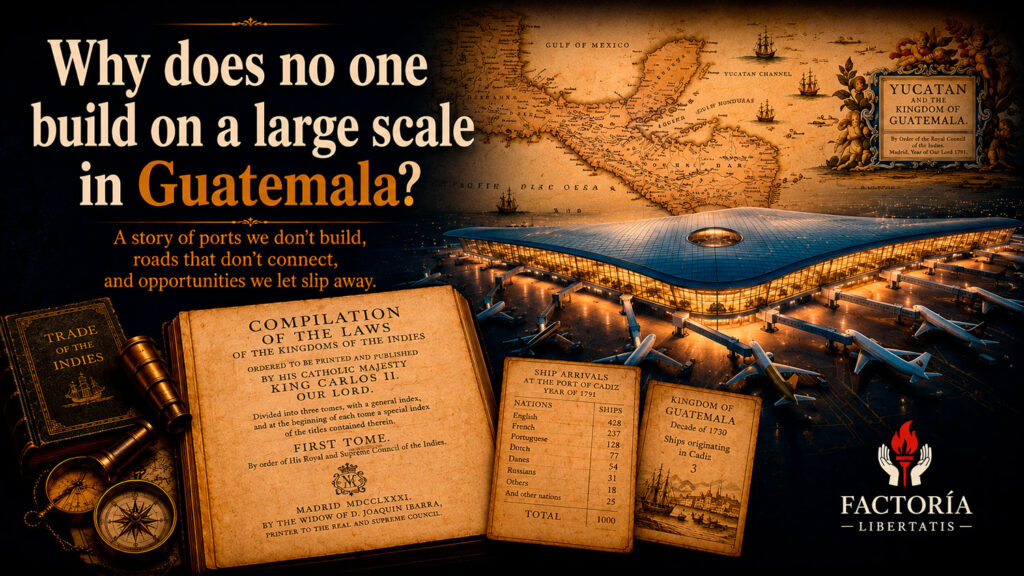
Guatemala sits between two oceans and at the heart of the Americas, yet for centuries it has functioned more as the end of the line than as a crossroads. This essay traces that history from the ports of the Kingdom of Guatemala to La Aurora International Airport and asks what it would take to turn geography into connectivity.
When Conscience Is the Last Tribunal
Laws may sanction misconduct, but they can never replace conscience. This essay argues that honor, civic virtue and political responsibility remain the true foundations of every enduring republic.
Ferguson’s Law Arrives in Guatemala
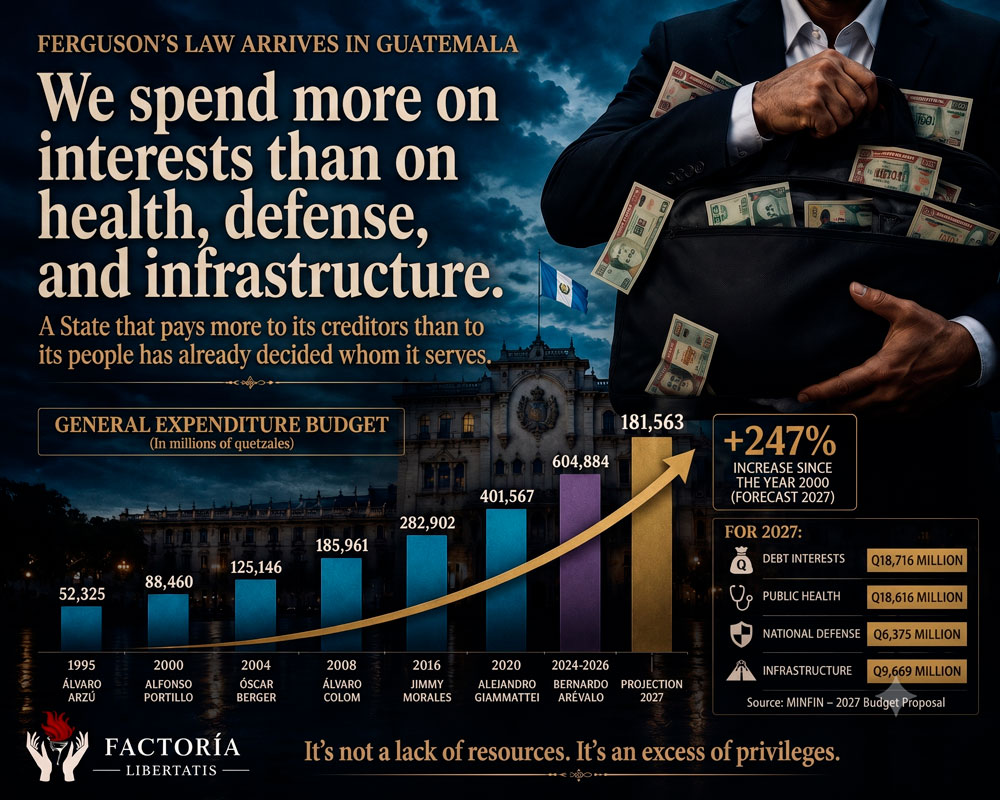
Guatemala’s 2027 budget reveals a critical fiscal milestone: interest payments on public debt now exceed spending on health, security and infrastructure. This essay applies Ferguson’s Law to examine what that means for the country’s future.