
When Conscience Is the Last Tribunal
Laws may sanction misconduct, but they can never replace conscience. This essay argues that honor, civic virtue and political responsibility remain the true foundations of every enduring republic.
The Republic Montesquieu Could Not Write
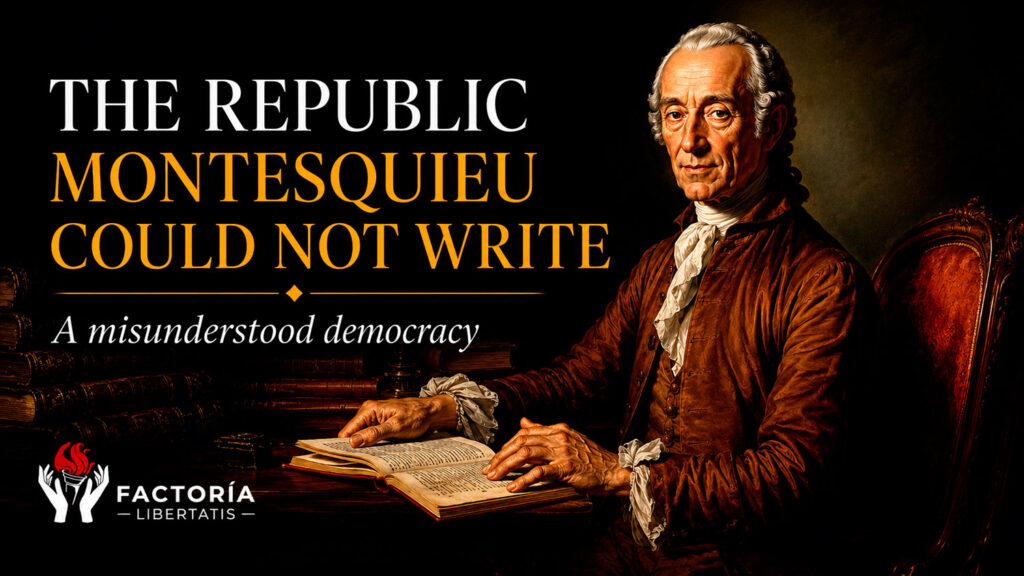
In the autumn of 1748, a book with no author’s name left the presses of Geneva. Its creator had spent twenty years writing it and did not dare sign it. The magistrate of Bordeaux, Charles-Louis de Secondat, Baron de Montesquieu, already knew what imprudence cost: his Persian Letters (1721) had also been published anonymously, printed […]
When Stealing Stopped Being Shameful
loss. He has no land to leave them, no cattle, no home. Martín Fierro, the character created by José Hernández, has been a forced soldier, a deserter, an outlaw, and a fugitive. He has lost everything, including his respectability. And yet, in The Return of Martín Fierro (1879), when he gathers his sons and the son of […]
The American Republic: An Experiment Begun 250 Years Ago
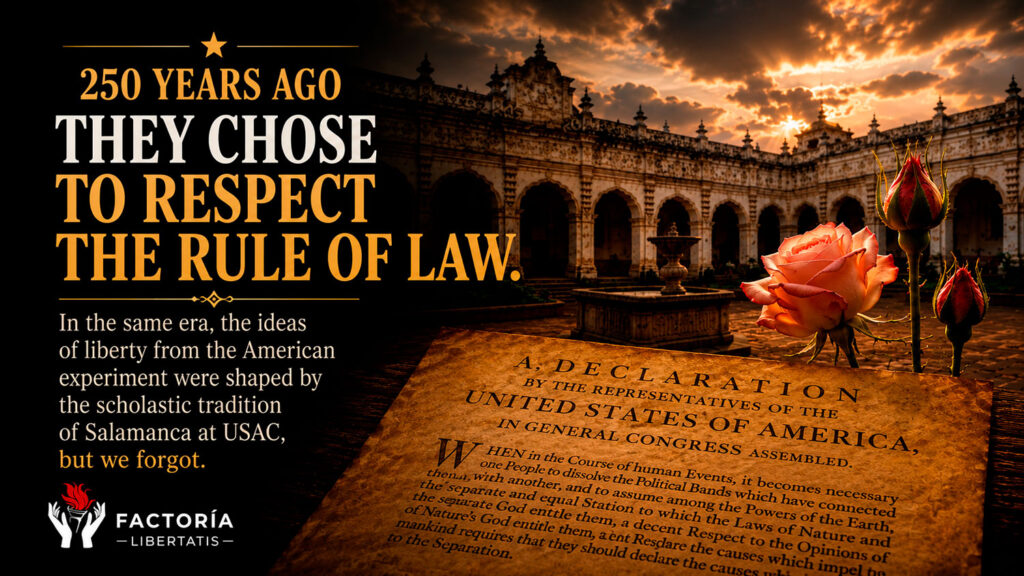
It is the night of July 4, 1776. In a printing shop on Market Street in Philadelphia, a young apprentice sets type letter by letter for a document that has just arrived from the Continental Congress. His employer, John Dunlap, has asked him to work through the night: the text must be printed before sunrise. […]